
When We Lose Them: Why Pet Grief Is Real and Deserves Support
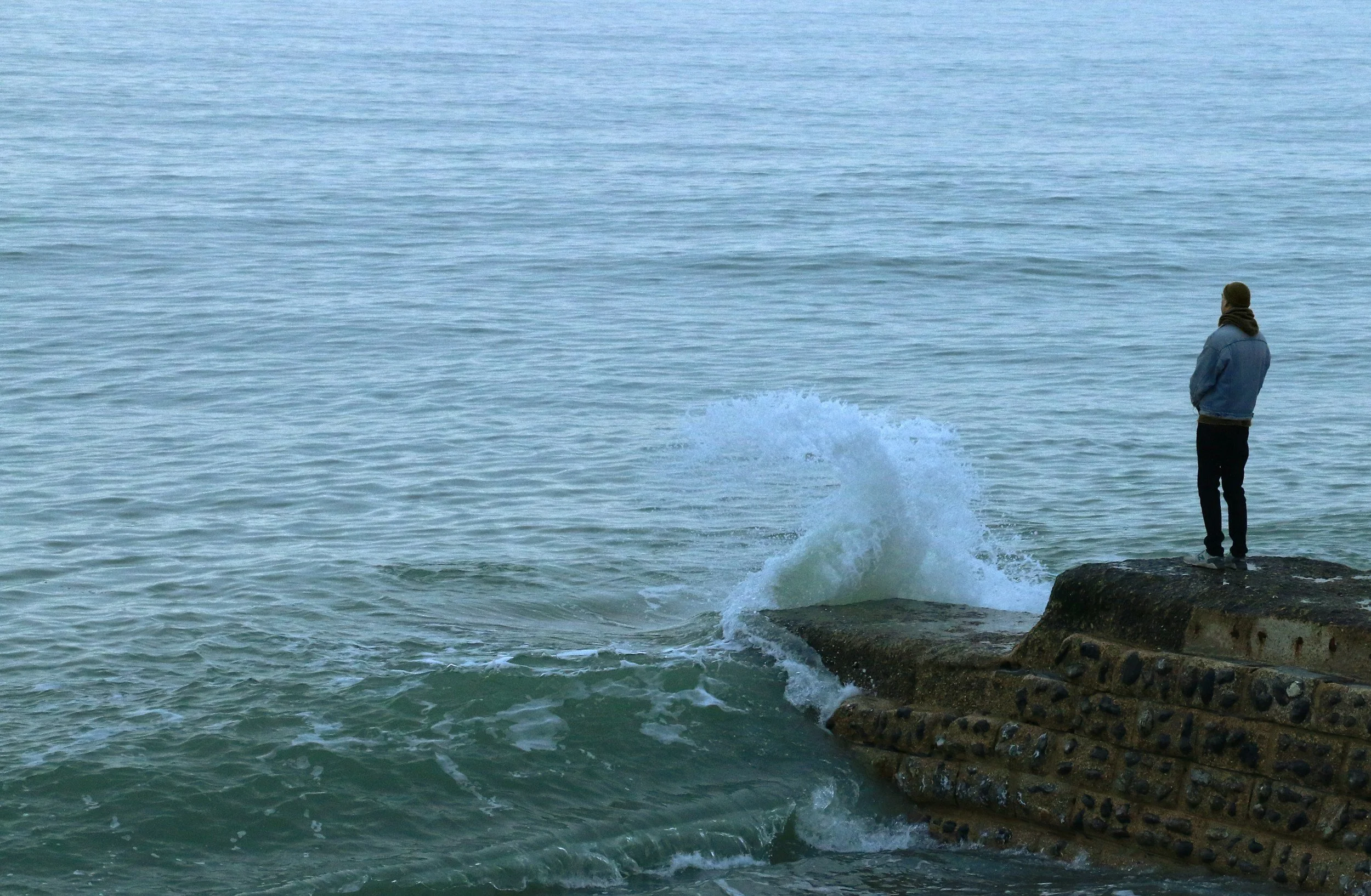
Because love doesn’t end when they’re gone.
Pets are family. They share our homes, our routines, and often our most private moments.
They comfort us through the hard days and celebrate the good ones. So when we lose them—whether through illness, age, or sudden goodbye—the grief that follows can be overwhelming.
And yet, many people move through this pain alone. Pet loss isn’t always recognised as “real” grief, leaving us without the support, visibility, or language to express it.
But make no mistake: grief for an animal companion is real—and it deserves care.
The Hidden Weight of Pet Loss
Each year, millions of people grieve the loss of a pet. In Australia alone, there are over 5.8 million pet cats and millions more dogs, birds, and companion animals—each deeply loved.
When that bond is broken, it leaves an emotional space as real as losing a family member.
Still, society often downplays the depth of that grief, which can make people feel isolated or even ashamed of their sadness.
But loss isn’t just about the absence of an animal—it’s about the daily rituals that vanish: the sound of their paws on the floor, the way they greeted you at the door, the rhythm they gave to your day.
This is why Pause for Paws exists—to create space for that love, that loss, and that healing.
Grief Is More Than Emotion - It’s Physical
Grief isn’t something that just happens in your mind. It’s felt throughout your entire body.
When we grieve, we might notice:
Tightness in the chest
Fatigue or exhaustion
Changes in appetite
Insomnia or restless sleep
A foggy mind or difficulty concentrating
These are natural biological responses.
Our pets form part of our attachment system—the psychological wiring that links comfort, safety, and belonging. Losing them triggers the same responses as losing a human loved one.
Your body is simply reacting to loss—and that means it needs rest, nourishment, and gentleness, not guilt or suppression.
Why It Hurts So Much (And Why That’s Okay)
Our pets love us without judgement. They don’t care about our worst days, our mistakes, or our messy humanity.
Their companionship is unconditional, and that kind of bond shapes us.
So when it’s gone, it’s not just sadness—it’s disorientation. It’s learning to live without a piece of your emotional landscape.
Grieving them isn’t a sign of weakness. It’s evidence of the love and trust that existed between you.
The Journey of acceptance: From Loss to Pet Fullness
At Pause for Paws, we call our approach Pet Fullness—a compassionate, four-stage model that helps people move through grief with understanding and care.
It’s not about “moving on.”
It’s about learning to live with the love and memory of your pet in a new way.
Each stage offers a gentle focus:
Loss – Immediate emotional care and coping tools
Adjustment – Reflective exercises and psychoeducation
Gratitude – Commemorating the bond you shared
Acceptance – Reconnection and growth through love remembered
These stages aren’t linear—they ebb and flow, just like grief itself.
You’re Not Alone
Although grief often feels isolating, connection helps. Whether it’s talking to a counsellor, journaling, or sharing memories with people who understand, every act of acknowledgement helps your heart heal.
You can’t rush grief—but you can nurture it with kindness.
Pause for Paws offers self-guided programs, counselling pathways, and peer support groups designed by a clinician who has been there herself.
Because love never leaves. It simply changes shape.
Ready to Learn More?
Explore the Pause for Paws Pet Fullness Program — evidence-based tools and guided support for every stage of loss.