
Why Grief Hurts - Understanding the Mind-Body Connection
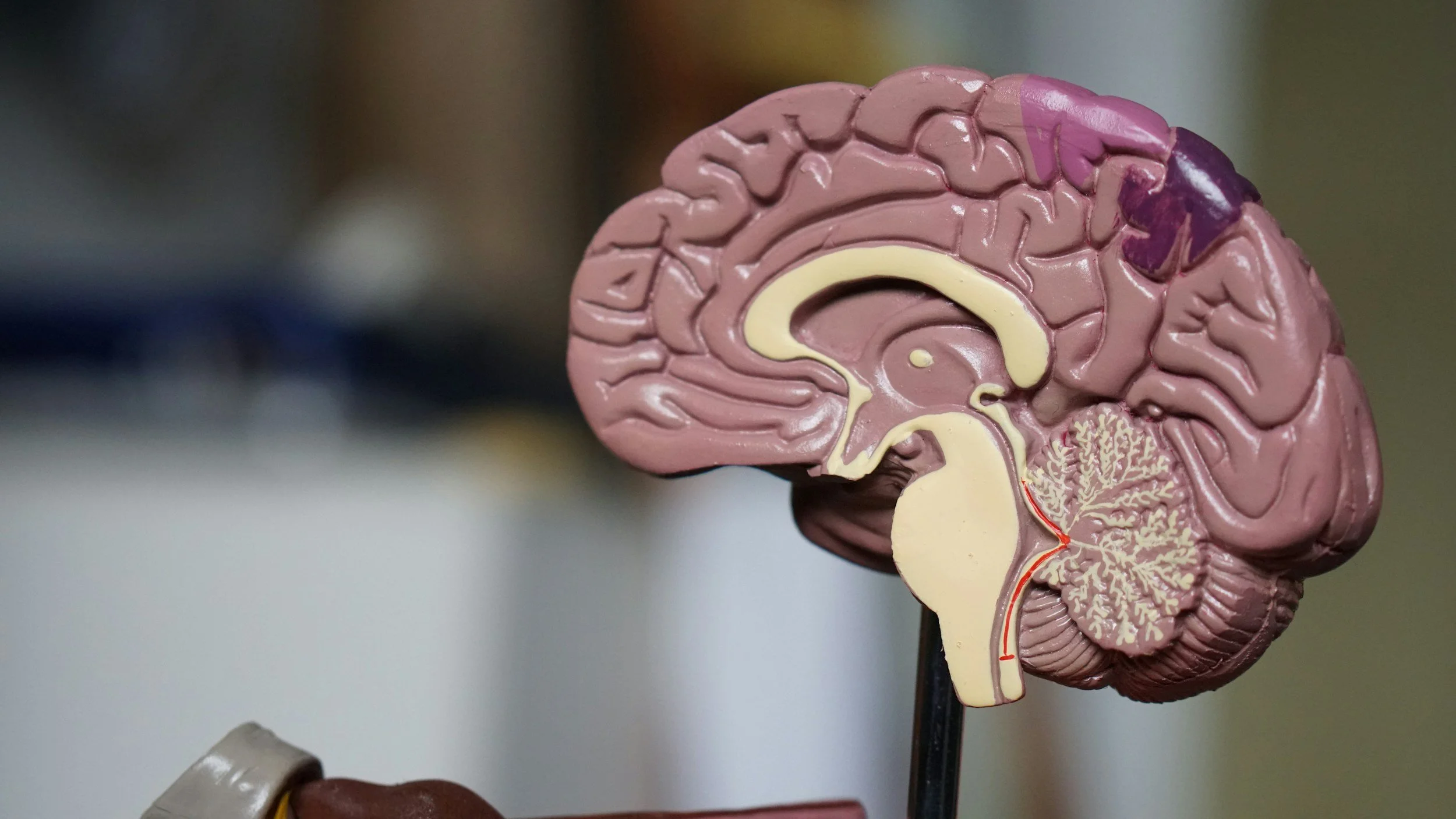
Grief is more than sadness — it’s a full-body experience. When we lose a beloved pet, our emotions and physiology become intertwined in powerful ways. That ache in your chest, the lump in your throat, the exhaustion that lingers — these aren’t “in your head.” They’re your body’s way of expressing love and loss.
The Science of Pet Grief
Our pets become part of our attachment system — the same biological network that connects parents and children. When that bond breaks, our stress hormones spike, our nervous system loses its usual rhythm, and the brain struggles to adjust to “life without.”
Common Physical Signs
Tightness in the chest or throat
Sleep disturbance
Appetite changes
Fatigue or restlessness
Difficulty focusing
Practical Activity: Soothing the Nervous System
Try this: Sit quietly and place a hand over your heart. Breathe in slowly for four counts, hold for two, exhale for six. As you breathe out, silently repeat: “I am safe. I am allowed to grieve.”
Repeat for 3–5 minutes, especially when you feel waves of sadness or anxiety.
This isn’t about “fixing” grief — it’s about calming your body so your heart has space to heal.
Explore mindfulness and breathwork tools in our Pet Fullness Program.